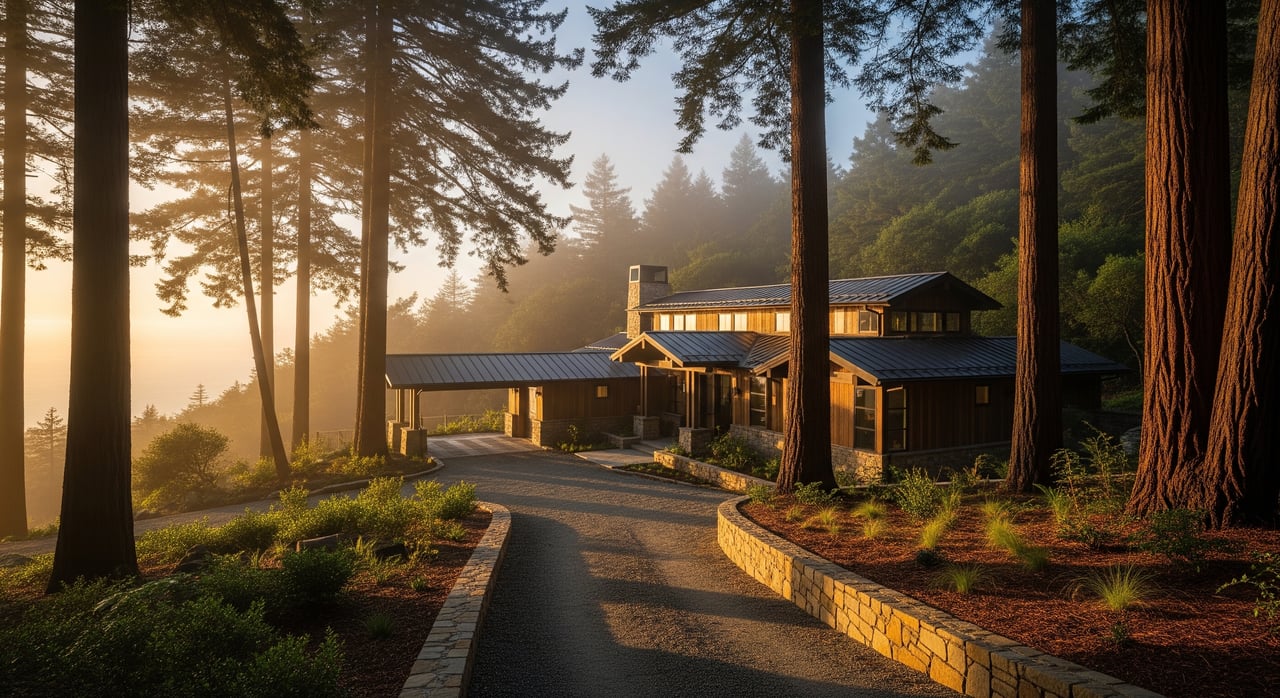
Dreaming of a redwood retreat where you can hear the creek and see the stars? Buying in the Santa Cruz Mountains can deliver that lifestyle, but mountain properties come with unique risks and responsibilities that coastal or in‑town homes rarely have. You want the beauty without the surprises. In this guide, you’ll learn the hidden factors that matter most in 95060 and the San Lorenzo Valley, plus a clear plan to evaluate them before you write an offer. Let’s dive in.
Why mountain buying is different in 95060
Mountain neighborhoods around Felton, Ben Lomond, and Boulder Creek mix rugged terrain with rural infrastructure. Fire hydrants are scarce, many homes use wells and septic, and access roads can be narrow or private. Insurance, permitting, and lender requirements can be more complex. If you prepare well, you can protect your budget, your timeline, and your peace of mind.
Wildfire risk and WUI rules
Many areas of the Santa Cruz Mountains fall within the Wildland‑Urban Interface and mapped Fire Hazard Severity Zones. Start by reviewing the official layers using the CAL FIRE resources for Fire Hazard Severity Zones. These maps help you understand your baseline risk and what local fire districts may require.
State law requires defensible space around homes, typically up to 100 feet from structures, or to the property line. Clearing vegetation, hardening vents and roofs, and improving access all support safety and insurability. Local Fire Safe Councils offer education and may share grant opportunities for vegetation work; explore programs through the Fire Safe Council of Santa Cruz County.
If you plan to remodel or rebuild, confirm whether WUI construction standards apply. Materials like Class A roofing and ember‑resistant vents are common upgrades. Ask your insurer what fire‑hardening steps can lower your premium or help you secure coverage in high‑risk zones.
What to verify during due diligence
- Whether the parcel is in a mapped hazard zone and which fire district serves it.
- Driveway width, turnarounds, address signage, and vertical clearances for emergency access.
- Water supply for firefighting, since hydrants are limited in many mountain neighborhoods.
Slope stability, flooding, and storm impacts
Steep slopes and fractured geology can make landslides and debris flows a real concern in heavy rain. Look for signs such as tension cracks, leaning fences, sloped or bowing retaining walls, and chronic drainage problems. Consider a geotechnical opinion for steep sites, and review regional data from the U.S. Geological Survey landslide hazards program.
Mountain creeks can rise quickly. FEMA maps are helpful for flood zones, but small drainages may not appear on federal maps. Check the FEMA Flood Map Service Center and ask the county about any floodplain permits or stream setbacks tied to the parcel. During severe storms, road washouts and downed trees can affect access, so plan for redundancy in evacuation routes where possible.
Water supply: wells, springs, and mutual systems
Many mountain homes rely on private wells or springs. Performance can vary seasonally, with late summer and fall often being the tightest months for yield. Ask for historical records, recent water quality tests, and any pump or tank replacement history. Request copies of any well logs on file with the county or state, and consider a pump test if yield is uncertain.
Some neighborhoods are served by mutual water systems or the San Lorenzo Valley Water District. If a listing shows possible district service, verify the service boundaries and connection status directly with the San Lorenzo Valley Water District. Mutual systems typically have rules, fees, and maintenance obligations, so request the bylaws and financials during escrow.
What to verify during due diligence
- Source type: private well, spring, mutual system, or public district.
- Well yield, storage capacity, and recent water quality results, if applicable.
- Maintenance history and expected replacement timelines for pumps, pressure tanks, and treatment systems.
Wastewater: septic systems and permits
Most mountain properties use septic systems rather than sewer. You want to confirm system type, capacity, permit history, and whether there is room for future replacement lines if needed. Older systems or undocumented cesspools can be costly to upgrade, especially on steep or geologically sensitive lots.
During escrow, schedule a septic inspection and request permit files from Santa Cruz County Environmental Health. If the system is failing or undersized, plan for repair contingencies and consult a septic designer for options that fit the site constraints. Start your research with the county’s Environmental Health Division.
What to verify during due diligence
- Septic permits, as‑built plans, and any repair or upgrade records.
- System type and capacity relative to the home’s bedroom count and expected use.
- Replacement area feasibility and any engineering or mound system requirements.
Access, utilities, and connectivity
Roads in the mountains range from county‑maintained to private easements. Private roads typically have shared maintenance obligations, and steep or narrow driveways can limit emergency access. Ask for road maintenance agreements and confirm legal access on title. A long driveway or private bridge may require ongoing reserves for repairs.
PG&E provides electricity across much of the area. During high fire danger, Public Safety Power Shutoffs can occur. Ask sellers how outages have affected the property and whether there is backup power in place. For background on shutoff protocols, review the PG&E Public Safety Power Shutoff program.
Cell service and internet can vary by canyon and ridge. Verify coverage by carrier on site, and confirm broadband providers and speeds if you work from home. Fixed wireless and satellite are common solutions in areas without cable or fiber.
Insurance and financing in high‑risk zones
Insurance markets in wildfire‑exposed areas have tightened, which can affect both cost and availability. Get quotes early and ask about any underwriting conditions tied to defensible space, roof type, or vent protection. The California Department of Insurance shares guidance on wildfire coverage and consumer protections.
Lenders will finance properties with wells and septic, but they often want documentation. Expect to provide well yield or log data, water quality results, and a septic inspection report. Government‑backed loans can have additional standards, so give yourself time in escrow to complete specialized inspections.
Permits, zoning, and title basics
Planning and building rules are more complex on steep or environmentally sensitive lots. Before you remodel or add on, confirm zoning, setbacks, grading requirements, and any geologic review with the Santa Cruz County Planning Department. WUI standards, riparian setbacks near streams, and timber management rules can all influence timelines and budgets.
Title items such as access easements, road agreements, and mutual water covenants are common in the mountains. Make sure your title review confirms legal access, utility easements, and maintenance obligations that run with the land.
A smart due diligence plan
If you’re serious about a 95060 mountain home, follow a simple workflow to bring risk into focus early and protect your negotiating position.
Pre‑offer checks
- Confirm the fire hazard zone and the serving fire district using CAL FIRE resources.
- Verify water source, including whether the property falls within a district service boundary.
- Confirm septic versus sewer and request Environmental Health permit history.
- Ask the seller for utility bills, outage and PSPS history, and evacuation experiences.
- Determine whether roads are county‑maintained or private, and ask for maintenance agreements.
Offer contingencies and inspections
- Well inspection with water quantity and quality testing.
- Septic inspection and county record review, with repair contingency if needed.
- Geotechnical or soils review for steep sites or where retaining walls and fills are present.
- Structural and foundation inspection, especially on sloped lots.
- Roof and chimney inspection to assess ember resistance and condition.
- Full hazard disclosure review, including flood, earthquake, and wildfire reports.
- Title review for access, easements, and road obligations.
Specialists to consider
- Local agent experienced with mountain properties and fire district rules.
- Licensed septic inspector and, if needed, a septic designer.
- Well contractor or hydrogeologist for testing and log review.
- Geotechnical and structural engineers for slope and foundation concerns.
- ISA‑certified arborist for tree risk and defensible space planning.
- Insurance broker who places homes in high‑wildfire zones.
After you close: living prepared
Mountain living rewards proactive maintenance. Create and maintain defensible space, and plan annual vegetation work around seasonal growth. For project ideas and community programs, explore the Fire Safe Council of Santa Cruz County and the Resource Conservation District of Santa Cruz County.
Upgrade what matters most: roof, vents, gutters, and siding choices that improve ember resistance. Keep well and septic service records, and schedule regular water quality checks. If you rely on private roads or a mutual water system, set aside reserves for shared maintenance. For flood awareness and insurance decisions, check the FEMA Map Service Center and consult your insurance broker as conditions change.
The bottom line
Buying in the Santa Cruz Mountains is about balancing lifestyle and resilience. When you verify water, wastewater, access, and hazard risks early, you can write stronger offers and avoid costly surprises later. With a clear due diligence plan and the right local partners, you can secure a property that fits the way you want to live.
Ready to assess a specific 95060 home or craft a plan for your search? Schedule a Private Consultation with Ben Rush to get local guidance, a tailored due diligence checklist, and introductions to trusted mountain specialists.
FAQs
What does WUI designation mean for a 95060 home purchase?
- It signals elevated wildfire exposure and triggers defensible space rules and specific building standards for remodels or rebuilds; start with CAL FIRE resources and confirm local fire district requirements.
How do I evaluate a private well in the Santa Cruz Mountains?
- Ask for well logs, recent water quality tests, and yield information, then consider a pump test and service review by a well contractor; verify any records with Santa Cruz County Environmental Health.
What should I know about septic permits in Santa Cruz County?
- Most mountain homes use septic; request permit history, as‑built plans, and inspection reports, and plan contingencies for repair or upgrades through the county’s Environmental Health Division.
How do PG&E Public Safety Power Shutoffs affect mountain living?
- PSPS events are temporary power shutoffs during high fire danger; ask sellers about past outages and consider backup power options while reviewing the PG&E PSPS program.
Can I still get homeowners insurance in a high wildfire zone?
- Many buyers can secure coverage with mitigation and shopping through experienced brokers; review guidance from the California Department of Insurance and get quotes early.
Where can I check flood risk for a mountain property?
- Start with the FEMA Flood Map Service Center and then confirm any local stream setbacks or permits with Santa Cruz County Planning before you commit.