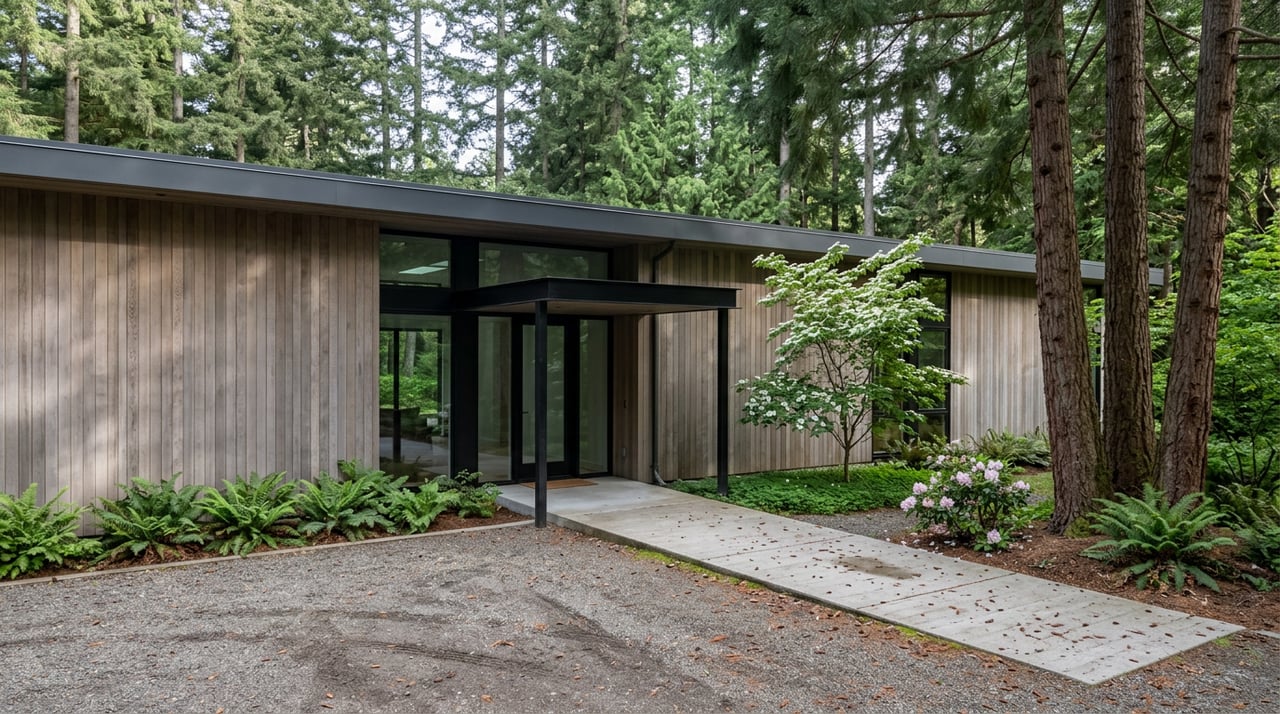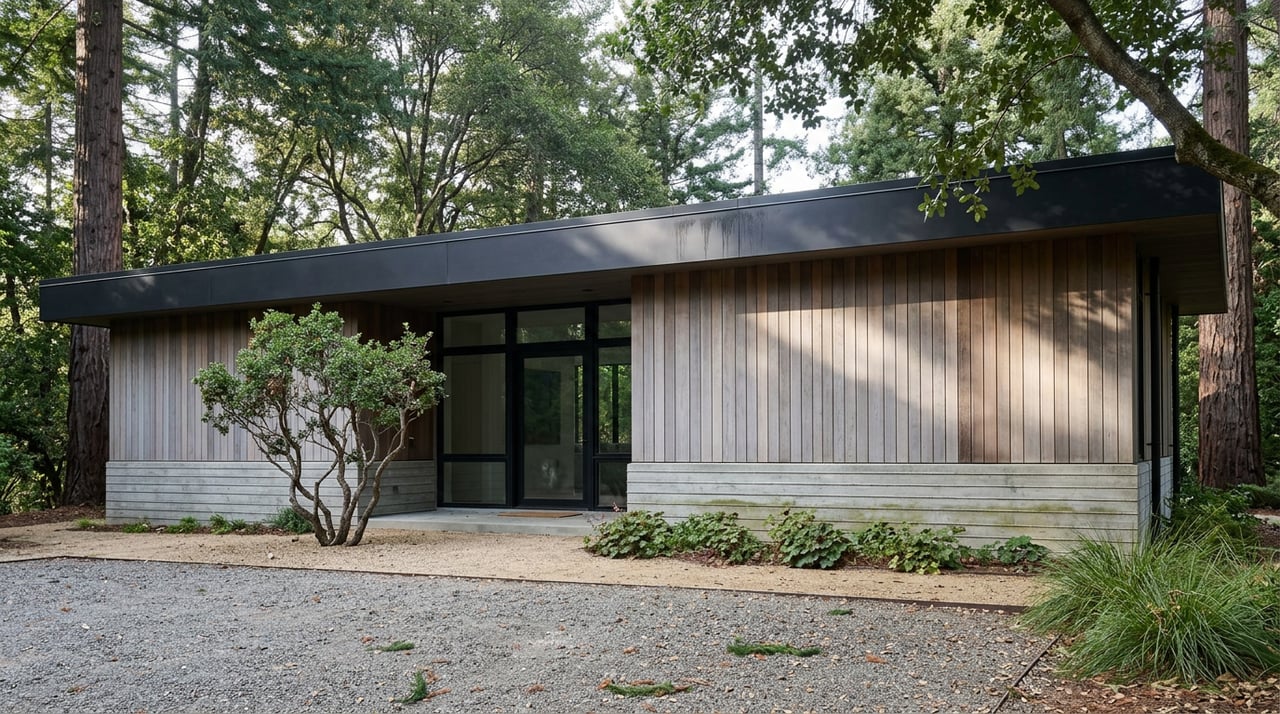
Tony and Mary Madden rebuilt their Boulder Creek home after losing it in the CZU Lightning Complex fire in August 2020. Before the fire, they paid about $2,000 a year for a standard homeowners policy through Farmers. In August 2023, they told Farmers the rebuild was finished. A month later, Farmers dropped their contract, and no other private carrier would take them. They ended up on the California FAIR Plan, the state's insurer of last resort, paying $14,212.40 a year for fire coverage alone, more than $14,900 once the additional non-fire policy was added on top.
Then, in the fall of 2025, a new rate filing threatened to push their bill past $21,700.
That filing is the reason this matters for anyone buying or selling in the mountain corridor between Scotts Valley and Boulder Creek right now, and the way it actually resolved is not the story most people heard last fall.
The Number That Actually Landed
The FAIR Plan asked California's Department of Insurance for a 35.8% average rate increase in a filing submitted in late September 2025, its largest request in seven years. Local reporting at the time carried alarming ZIP-level projections built off that ask: an increase near 51% in the Brookdale area, near 48% in the Maddens' own Boulder Creek ZIP code, and as low as 9% in Davenport and North County. Those percentages spread fast through the mountain community, and they are the numbers most homeowners are still carrying in their heads.
They are not the number that got approved.
The Department of Insurance came back with 29.1%, effective for all new and renewal FAIR Plan dwelling policies starting October 15, 2026, about six weeks from now. That is still the largest approved increase the plan has taken in recent history, ahead of the roughly 20% bump in 2019 and the 16% increases in both 2021 and 2023. But it is meaningfully smaller than what was requested, and it changes the math for every household that had already done the mental arithmetic on the scarier number.
As of June 2026, the FAIR Plan's total exposure had reached $768 billion, an 11% jump since September 2025 and a 250% increase since September 2022, against a direct cash balance of somewhere between $200 million and $400 million. That gap between exposure and reserves is the structural reason rates keep climbing, and it is not unique to Santa Cruz County. What is specific to this county is how concentrated the FAIR Plan has become in one small geography: nearly 11,000 county residents were on the plan as of last fall's filing, most of them in the mountain towns.
Why the Average Hides Your Address
A 29.1% statewide average sounds like a single number. It is not applied that way. The increase is weighted toward the wildfire portion of the premium, so homes in the highest fire hazard zones absorb a larger share of the hike while some lower-risk, urban FAIR Plan policyholders could actually see a decrease. As of the approval, the Department of Insurance and the FAIR Plan had not yet released ZIP-level rate tables showing what any individual property will actually pay. Which means the Maddens do not yet know whether their bill lands closer to the $14,900 they are paying now or the $21,700 they feared last fall. Neither does Felton resident Glenn Glazer, who currently pays about $9,000 on the FAIR Plan and had been bracing for a jump toward $13,000 under the original proposal.
The honest answer, for both of them and for anyone shopping a mountain property right now, is that the average is not your number. Your number comes from a quote tied to your specific address, roof material, defensible space, and access road, and it will not exist until someone runs it.
"The FAIR Plan is the way to go these days, really," said Vanessa Ditz, an independent agent at Cassidy Insurance Agency in Scotts Valley, describing how tight the private market has become for mountain properties. Major insurers, she said, simply do not want the wildfire exposure right now.
The Order of Operations Has Flipped
For most of California, insurance is something you sort out in the final week before closing, after inspections, after the appraisal, after loan approval. In the Santa Cruz Mountains, that order has reversed.
Monterey Bay Mortgage advisor Scott Goodrich described the shift plainly: agents and buyers now try to line up an insurance quote before they even submit an offer, not after it is accepted. The reason is underwriting math, not caution for its own sake. Homes in Very High Fire Hazard Severity Zones, which cover much of this mountain corridor, can see FAIR Plan premiums running two to five times what a standard admitted policy would cost the same address, and in Santa Cruz Mountains wildland-urban interface zones specifically, a FAIR Plan premium alone commonly runs $4,000 to $12,000 a year before any wrap policy is added. A buyer who qualified comfortably against an early insurance estimate can find that number, revealed mid-escrow, shrink their approved loan amount or kill the deal outright, because lenders count the premium directly in a buyer's debt-to-income ratio.
The FAIR Plan complicates this further because it only covers fire, lightning, internal explosion, and smoke. It does not include liability, theft, or water damage. Most FAIR Plan households need a second policy, a Difference in Conditions or DIC wrap, layered on top to approximate the coverage a standard HO-3 policy would provide in one document. That is two premiums to quote, two binders to get in front of a lender, before a mountain purchase can close cleanly.
| Coverage path | What it covers | Typical cost in Santa Cruz Mountains WUI zones |
|---|---|---|
| Standard admitted HO-3 | Fire, liability, theft, water damage, in one policy | Increasingly hard to find in Very High Fire Hazard zones |
| FAIR Plan only | Fire, lightning, explosion, smoke | Roughly $4,000 to $12,000 a year, before any wrap |
| FAIR Plan plus DIC wrap | Fire coverage plus liability, theft, water damage added back | FAIR Plan premium plus a separate wrap policy cost |
What Sellers Can Do Before They List
There is a lever here that most sellers in the mountains have not pulled yet. The FAIR Plan updated its wildfire hardening discount program for policies with an effective date of November 15, 2025 or later, offering up to 12 separate discounts across four categories, from clearing vegetation and combustible material within five feet of the structure to keeping outbuildings at least 30 feet away. A Dwelling Fire policyholder who documents all 12 can see savings up to 16.4% on the wildfire portion of the premium. Santa Cruz County has also been designated a Fire Risk Reduction Community, a status that opens additional mitigation discounts and matters most for homeowners trying to move off the FAIR Plan and back into standard-market coverage.
For a seller, documenting that hardening work before listing does more than trim a bill. It gives a buyer's lender an easier path to a normal quote instead of a FAIR Plan-only one, which widens the pool of buyers who can actually qualify. That matters more in the mountains than almost anywhere else in the county right now, because a wave of recently completed CZU rebuilds is only beginning to reach the resale market. Six years after the fire, only about 18% of the roughly 900 homes destroyed had been fully rebuilt, according to a 2026 housing series from Santa Cruz Works drawing on county permit data. Every one of those newly finished homes walks straight into this rate environment the moment it changes hands, whether that happens next year or five years from now.
A Few Questions Worth Asking Early
Does the October 15, 2026 rate apply to every FAIR Plan policyholder immediately? No. It applies to new policies and to renewals with an effective date on or after that day. Existing policyholders see the change at their next renewal, not before.
Is a FAIR Plan policy enough coverage on its own? Not by itself. It only covers fire-related perils. Most mountain households pair it with a separate DIC policy to cover liability, theft, and water damage, which most lenders expect to see documented before funding a loan.
Can a homeowner get off the FAIR Plan once they are on it? Sometimes, particularly with documented wildfire hardening work and Santa Cruz County's Fire Risk Reduction Community designation, which some private carriers weigh when deciding whether to write a policy again. It is not guaranteed, and it typically takes a broker actively shopping the address rather than waiting for an offer to arrive.
Insurance used to be a formality you handled after everything else fell into place. In the Santa Cruz Mountains, it has become the first phone call, not the last. Whether you are weighing an offer on a redwood-shaded property or getting a rebuilt home ready to list before the October rate change lands, that call is worth making early. Santa Cruz Luxury, led by Ben Rush, works these mountain transactions closely enough to know which brokers are still quoting in this corridor and which documentation actually moves a listing back toward standard coverage. Schedule a private consultation before you write the offer, not after.