What does it really feel like to live in Pleasure Point? If you are drawn to surf culture, walkable coffee stops, and homes with true coastal character, this Santa Cruz County neighborhood offers a lifestyle that is hard to fake. From blufftop strolls along East Cliff Drive to compact cottages and modern beach homes, here is what you should know before you buy or sell in Pleasure Point.
Why Pleasure Point Stands Out
Pleasure Point is an unincorporated coastal neighborhood in Santa Cruz County, set between Moran Lagoon and 41st Avenue along Monterey Bay. County tourism materials describe it as a surf community with nearly a dozen well-known surf breaks and a strong connection to local surf history, including Jack O'Neill. That local identity shapes the pace, look, and daily rhythm of the area.
You feel that character right away. This is not a generic beach neighborhood with a few ocean views and a surf shop. Pleasure Point has a distinct waterfront setting, a recognizable commercial corridor, and a long-established reputation built around the coastline itself.
East Cliff Drive Shapes Daily Life
East Cliff Drive is one of the defining features of Pleasure Point living. It works as a waterfront promenade where you can take in Monterey Bay views, reach surf spots like The Hook and The Point, and explore tide pools and wildlife viewing areas at low tide. For many buyers, that kind of access is not just a perk. It becomes part of how you spend your mornings, afternoons, and weekends.
If you value an outdoor routine, this setting can be a major draw. A walk along East Cliff can mean checking the waves, meeting friends, or simply getting outside without needing to drive anywhere first. That kind of everyday convenience often matters as much as the house itself.
Surf Culture Is Built In
Pleasure Point is widely known for its surf identity, and that is more than a branding line. County visitor information points to nearly a dozen notable surf breaks in the area, which helps explain why the neighborhood has become such a strong draw for people who want to live close to the water and close to the action. The surf scene is part of the place, not just nearby.
For buyers, that means lifestyle and logistics go together. Easy access to the coastline can be a real advantage if surfing is part of your weekly routine. At the same time, the popularity of the breaks can also affect traffic, activity levels, and parking demand near the shore.
Cafes, Pizza, and Everyday Stops
One reason Pleasure Point feels so livable is that the neighborhood supports simple daily rituals. County tourism sources highlight nearby favorites such as The Point Market, Pleasure Pizza, The Penny Ice Creamery, Amazon Juices, Verve Coffee Roasters, Cat & Cloud, and Süda. You also have direct access to the weekly Live Oak Farmer's Market.
That mix creates a casual, coastal rhythm that many buyers want. You can grab coffee, pick up a meal, or head to the market without planning your whole day around it. For second-home buyers and full-time residents alike, those nearby stops help the neighborhood feel connected and easy to enjoy.
41st Avenue Adds Convenience
The retail energy around 41st Avenue is another practical plus. County materials describe the corridor as lined with shops and boutiques, and current visitor listings place businesses like Verve Coffee Roasters, The Penny Ice Creamery, and Freeline Surf Shop in the Pleasure Point and 41st Avenue area. That gives the neighborhood a useful commercial edge without losing its coastal identity.
Portola Drive also plays an important role here. County planning materials identify a Pleasure Point Commercial Corridor on Portola Drive between 26th and 41st Avenues, with its own community vision and design guidelines. In plain terms, that suggests a corridor with a more intentional local character, not just a standard strip of unrelated storefronts.
Homes in Pleasure Point
Pleasure Point homes tend to reflect the neighborhood's long coastal history. According to Santa Cruz County planning materials, the traditional housing stock includes small one-story cottages that are often narrow and commonly built with a single pitched roof and a porch or stoop. These homes help give the area its familiar beach-neighborhood feel.
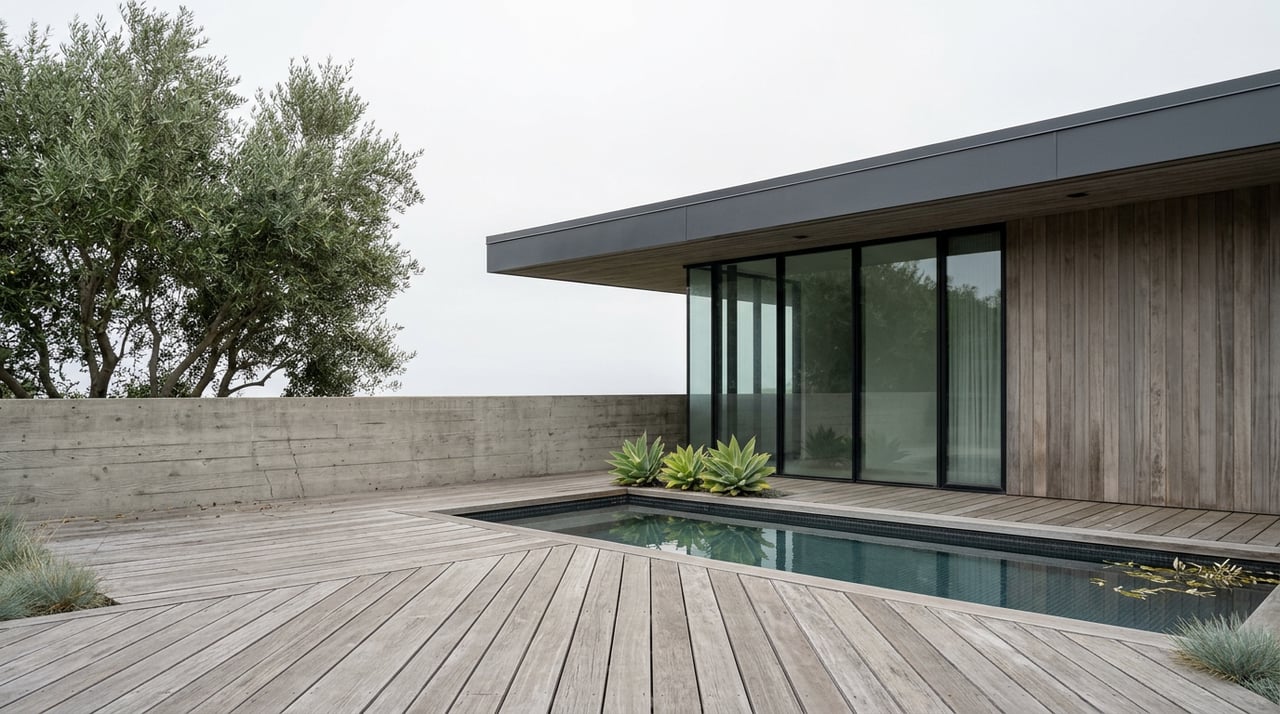
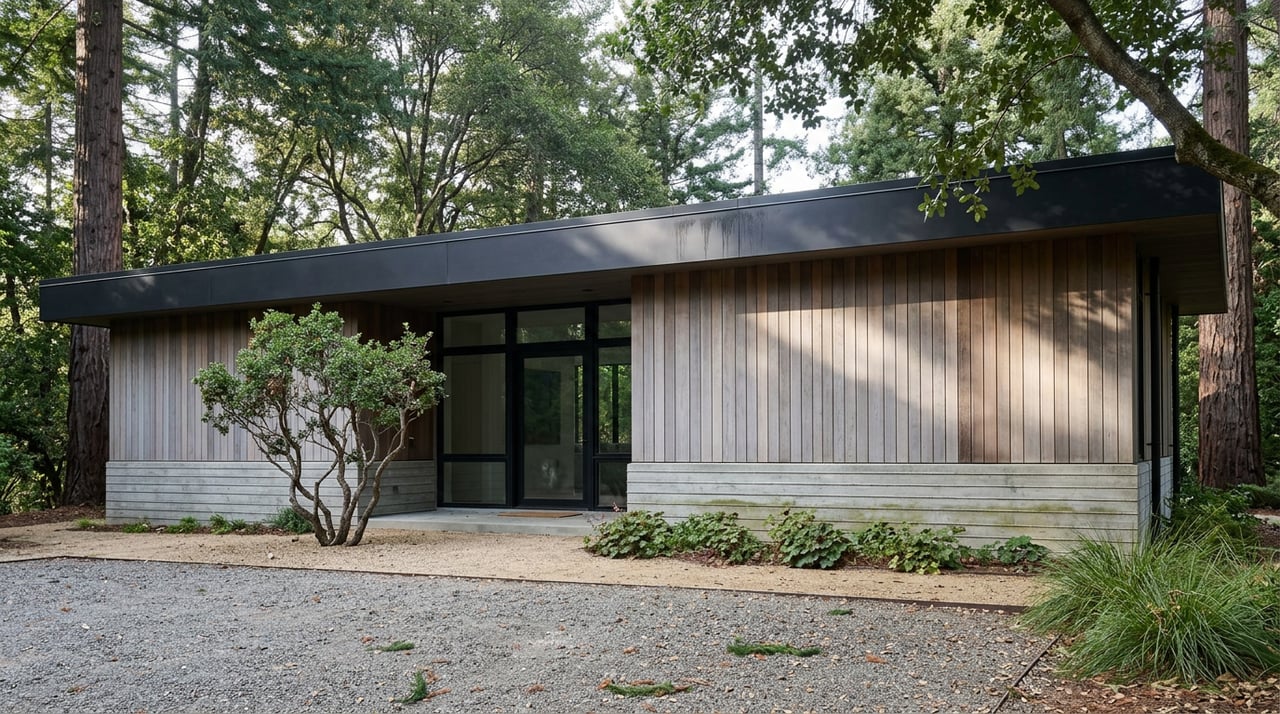
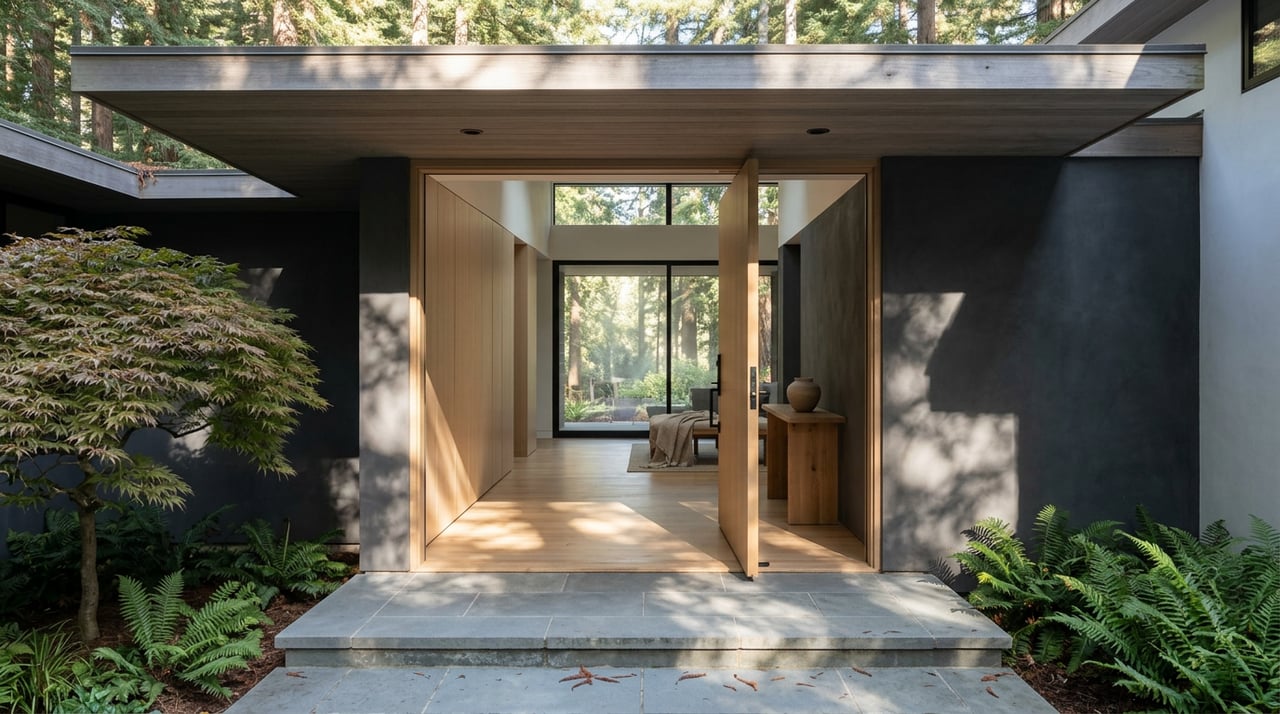
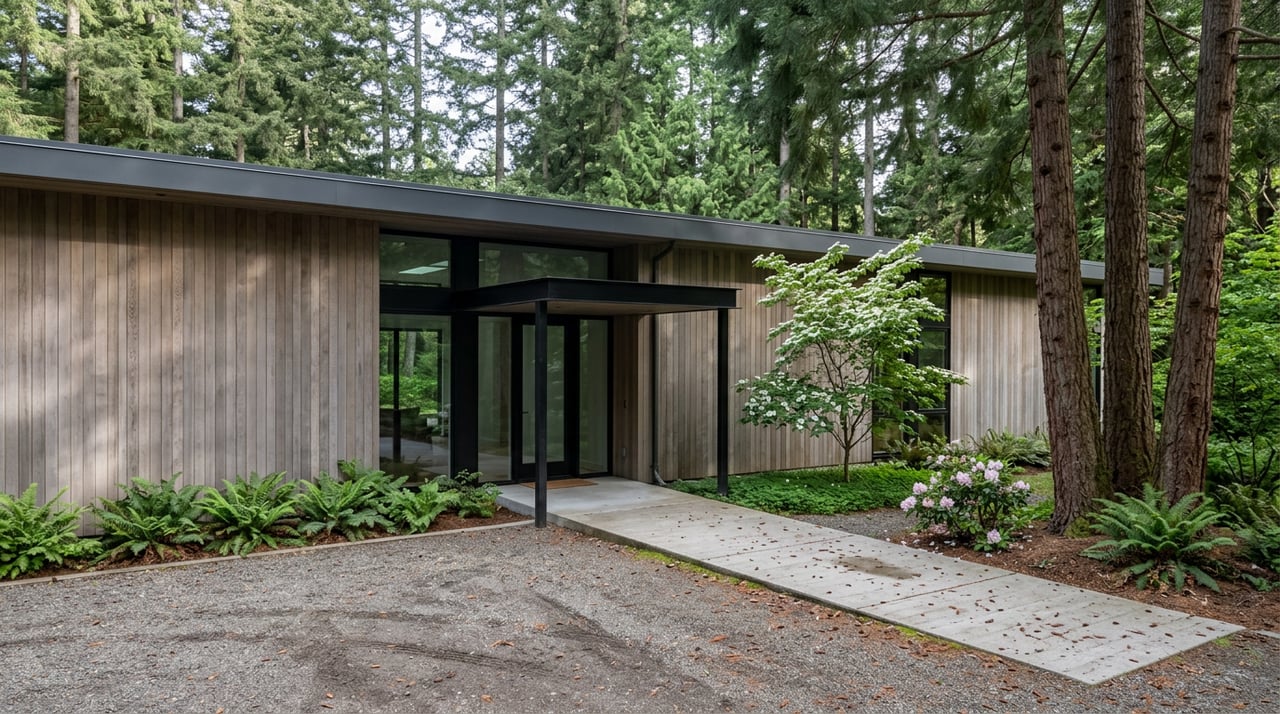
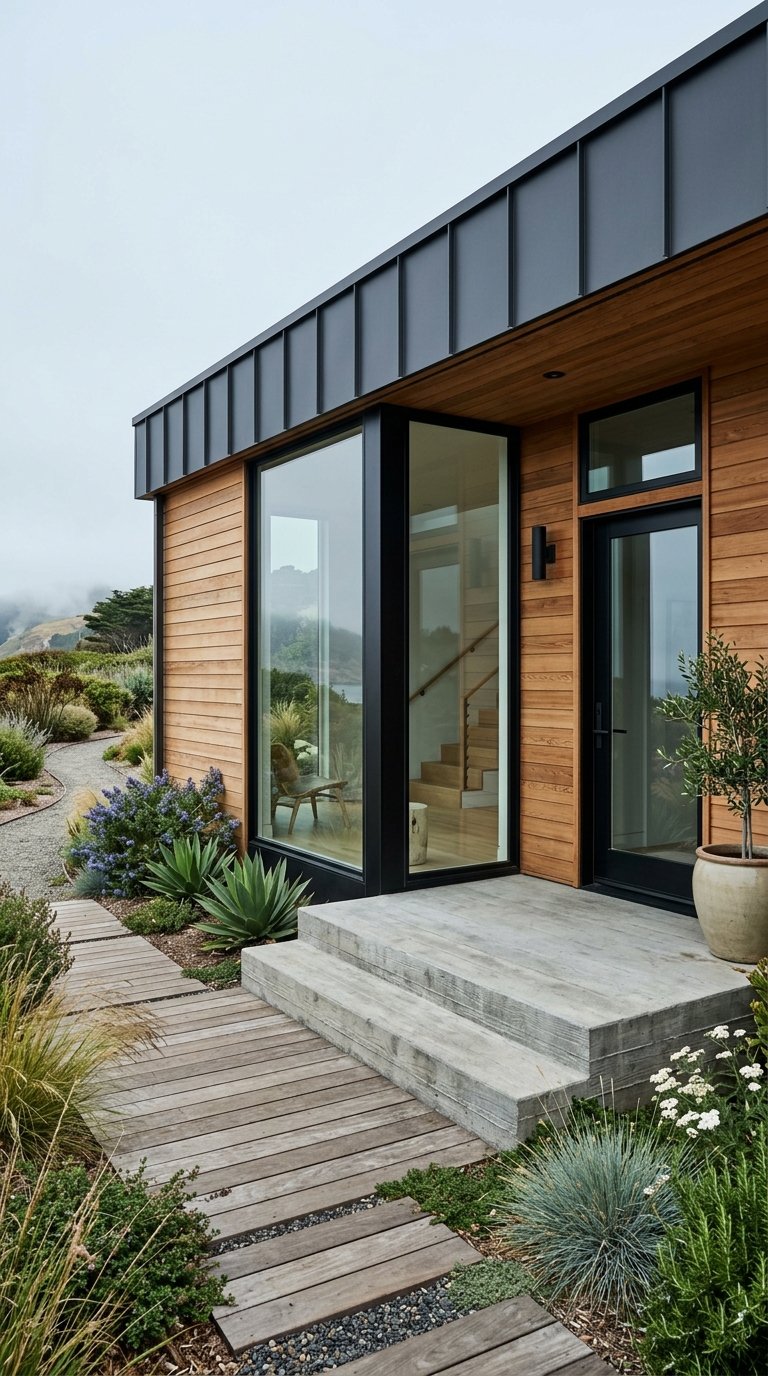
There is also meaningful variety. The county documents two-story cottages with balconies, California bungalows, nautical designs, Spanish Colonial influences, classic beach houses with wood siding and flat roofs, and newer modern homes with streamlined forms and materials. That mix is part of what makes Pleasure Point visually interesting for both buyers and sellers.
What Buyers Should Expect
If you are considering buying in Pleasure Point, it helps to know that the neighborhood often appeals to people who want a casual beach-town lifestyle and who are comfortable with a smaller-lot coastal setting. That takeaway comes from the area’s surf access, walkable cafe and shop corridor, and the mix of compact cottages and modern coastal homes. In other words, the fit is often about lifestyle first.
You may also find that homes here live differently than larger inland properties. Compact footprints, tighter sites, and close proximity to the coast can create a different balance of indoor and outdoor space. For many buyers, that tradeoff is worth it because the setting itself carries so much value.
What Sellers Can Highlight
If you are selling a home in Pleasure Point, your property story should go beyond square footage. Buyers are often responding to the relationship between the home and the neighborhood, including walkability to East Cliff Drive, access to surf breaks, nearby cafes, and the design character of the surrounding streets. The lifestyle context matters here.
This is where presentation becomes especially important. A cottage with original charm, a beach house with strong indoor-outdoor flow, or a modern home with clean lines can each appeal to different buyers, but only if the visuals and marketing match the property's strengths. In a neighborhood with such a distinct identity, the best listings usually show buyers how the home fits into Pleasure Point living.
Coastal Property Considerations
Along with the appeal of the coast comes added complexity. County guidance notes that accessory dwelling unit rules in Pleasure Point are locally specific, including special standards for ADUs above detached garages. The county also states that additional setbacks may apply near coastal bluffs and other protected resources, and that gross site area calculations can exclude coastal bluffs and beaches in some cases.
That means development potential may not be as simple as it looks on paper. If you are buying with plans to expand, rework a site, or add an ADU, local review standards can have a real impact. Getting clear, property-specific guidance early is especially important in a coastal neighborhood like this one.
Parking and Access Matter
Another practical point is neighborhood activity. County surf-school permit terms require off-site staging and shuttle use to reduce impacts on the residential area, which highlights a broader reality: surf traffic and parking demand can affect day-to-day life in Pleasure Point. It is part of living in a sought-after coastal destination.
That does not make the area less appealing, but it does make it important to look at access and parking with open eyes. For some buyers, walkability and surf proximity outweigh the tradeoffs. For others, block-by-block differences may play a larger role in deciding where to focus.
Community Feel and Local Identity
Pleasure Point also has a clear community presence beyond the shoreline. The annual Pleasure Point Street Faire on Portola Drive is one example of how the neighborhood expresses its local identity. Combined with the small retail nodes and waterfront gathering spots, it reinforces the sense that this is a place with its own rhythm and traditions.
That matters in real estate because buyers are often choosing more than a home. They are choosing a pattern of life. In Pleasure Point, that pattern often includes early surf checks, coffee stops, ocean walks, and a strong connection to the streets and coastline that define the neighborhood.
Is Pleasure Point Right for You?
If you want a polished but relaxed coastal setting, Pleasure Point offers a compelling mix of scenery, access, and character. You get a neighborhood shaped by surf culture, supported by everyday cafes and shops, and defined by homes that range from classic cottages to more contemporary coastal designs. It is a lifestyle-driven market where location and feel often carry as much weight as floor plan.
If you are planning a move here or thinking about selling, it helps to work with someone who understands how buyers see the neighborhood and how properties should be positioned within it. For tailored guidance on buying or selling in Pleasure Point, connect with Ben Rush for a private consultation.
FAQs
What is Pleasure Point known for in Santa Cruz County?
- Pleasure Point is known for its surf culture, East Cliff Drive waterfront setting, nearly a dozen notable surf breaks, and its mix of cafes, shops, and coastal homes.
What kinds of homes are common in Pleasure Point?
- Santa Cruz County planning materials describe traditional small one-story cottages, along with two-story cottages, California bungalows, nautical designs, Spanish Colonial influences, classic beach houses, and newer modern homes.
What is daily life like in Pleasure Point?
- Daily life often centers on East Cliff Drive walks, surf access, nearby coffee and food spots, shopping around 41st Avenue and Portola Drive, and visits to the weekly Live Oak Farmer's Market.
What should buyers know about Pleasure Point property rules?
- Buyers should know that coastal parcels may have tighter development envelopes, additional setbacks near coastal bluffs or protected resources, and locally specific ADU standards in Pleasure Point.
What should sellers emphasize when listing a Pleasure Point home?
- Sellers should emphasize the home's connection to the neighborhood lifestyle, including proximity to East Cliff Drive, surf access, nearby cafes and shops, and the property's architectural character.
Does parking matter when buying in Pleasure Point?
- Yes. County permit terms related to surf-school operations underscore that surf traffic and parking demand can affect the surrounding residential area, so access and parking are worth evaluating closely.