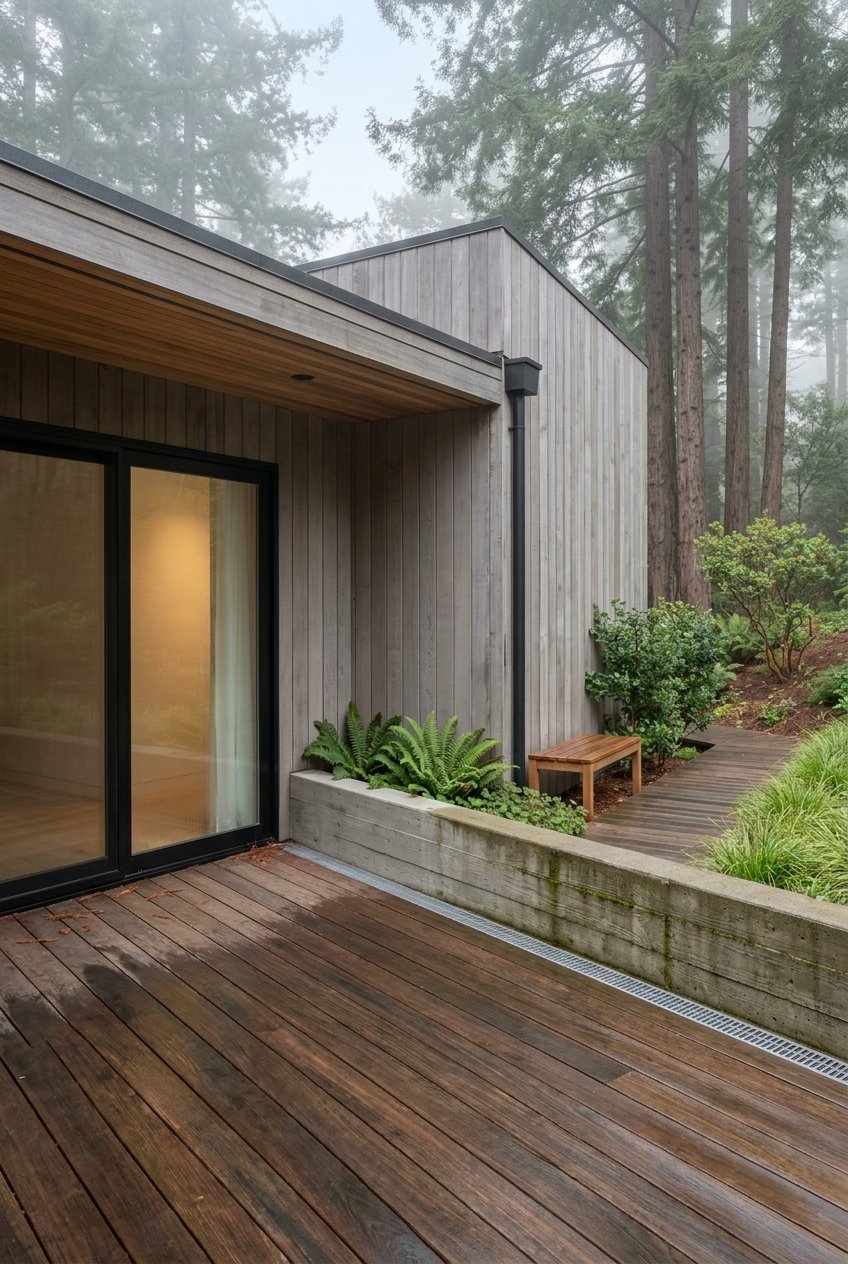
Wondering whether your Santa Cruz lifestyle belongs under the redwoods or near the shoreline? In 95060, that choice can shape how your mornings feel, how you spend weekends, and what day-to-day homeownership actually looks like. If you are weighing privacy, beach access, lot size, or practical upkeep, this guide will help you compare the coast and the mountains with clear local context. Let’s dive in.
Coast vs Mountains at a Glance
In Santa Cruz, the coast and the mountains can look close together on a map, but they live very differently in practice. The coast is generally more ocean-moderated, neighborhood-oriented, and tied to beach access. The mountains are more forested, rural, and shaped by terrain, elevation, and road access.
That difference matters when you are choosing where to buy. A home is not just a floor plan or a price point. It is also your weather, your routine, your setting, and the kind of maintenance and movement that come with the property.
Coastal Living in 95060
If you picture beach walks, ocean views, and a more connected neighborhood rhythm, the coastal side of Santa Cruz may feel like the right fit. Coastal areas are shaped by marine air, a walkable street pattern in many sections, and easy access to beaches and bluff-top paths.
Santa Cruz weather data points to a mild coastal climate, with an annual mean temperature of 58.7°F and about 30.63 inches of average annual precipitation. Summer highs are generally in the mid-70s, while winter highs are often in the mid-50s. Fog can roll in along the coast, but the overall pattern is relatively steady and moderated by the ocean.
What Daily Life Feels Like Near the Coast
The coast often feels more consistent from day to day. You are more likely to notice breezes, marine fog, and a regular rhythm shaped by the shoreline. For many buyers, that creates an easy routine centered on outdoor time, local streets, and frequent trips to the water.
Santa Cruz city beaches include places like Main Beach, Cowell Beach, and Mitchell’s Cove. West Cliff adds a 2.5-mile accessible multi-use path with ocean views, benches, and nearby surfing. County coastal access points such as Pleasure Point, Sunny Cove, Twin Lakes, and The Hook reinforce the area’s surf-and-shore identity.
Coastal Homes and Neighborhood Pattern
Along the coast, homes are often part of tighter neighborhood fabrics. Historic Santa Cruz includes Victorian buildings on Walnut Avenue, large summer houses on Ocean View Avenue, and Beach Hill homes ranging from sea captain’s cottages to mansions and bungalows.
Downtown historic areas also include Eastlake, Stick, Queen Anne, Shingle, Colonial Revival, and Craftsman homes, often on a pedestrian-scale grid with older and narrower lot patterns. In Pleasure Point, the county describes an eclectic beach village with original housing stock that included small beach cottages and bungalows on meandering streets and varied parcel shapes.
For you as a buyer, that can mean more neighborhood feel and easier access to daily coastal routines. It can also mean smaller lots, closer neighbors, and a stronger sense of architectural context.
Mountain Living Above Santa Cruz
If you picture quiet mornings, tall trees, and more separation from surrounding homes, the mountains may feel more natural. The Santa Cruz Mountains are defined by steep slopes, narrow ridges, redwood cover, and noticeable variation from one canyon or ridge to the next.
USDA sources describe average annual temperatures in the mountains at about 49 to 59°F, with precipitation increasing inland at higher elevations. Summer fog peaks from June through September, and ridges can block maritime air in ways that create local climate differences. Some higher elevations can be colder and occasionally even see snow.
What Daily Life Feels Like in the Mountains
Mountain living often feels cooler, shadier, and more variable. One property may get filtered morning light under redwoods, while another nearby may feel sunnier or more exposed depending on elevation and orientation. That creates a strong sense of place, but it also means each home site can live a little differently.
For many buyers, the appeal is the retreat-like atmosphere. You may trade quick beach access for privacy, forest views, and a slower pace that feels tucked away from busier coastal activity.
Mountain Recreation and Setting
The mountain lifestyle is closely tied to trails, trees, and parkland. Henry Cowell Redwoods State Park in Felton is known for its old-growth grove and offers hiking, horseback riding, picnicking, swimming, and camping across more than 4,650 acres.
Big Basin Redwoods State Park preserves ancient redwoods in the heart of the Santa Cruz Mountains and offers hiking, biking, horseback riding, and wildlife viewing, along with the coastal unit at Rancho del Oso. Quail Hollow Ranch County Park adds a more local mountain setting with trails, a ranch house, and forest views.
If your ideal weekend starts on a trail instead of near the surf, the mountains may align better with how you actually want to live.
Homes, Lots, and Privacy
One of the biggest differences between coast and mountain living is how a home sits on its site. Coastal homes are more likely to be in tighter neighborhoods, sometimes with smaller lots and stronger design review. Mountain homes are more likely to be on larger, steeper, wooded, or more private parcels.
County historic context materials note that mountain planning areas include large rural areas with Mountain Residential, Rural Residential, and Parks or Open Space uses. Rustic vacation homes and vernacular year-round homes are common in suburban and rural Santa Cruz County, reflecting the area’s long connection to redwood and mountain living.
If You Want More Privacy
In general, the mountains tend to offer the more private and retreat-like setting. Homes are often separated by topography, trees, and longer drives, which can create a sense of distance from neighbors even when you are not far from town.
On the coast, privacy can still exist, but it is more often balanced with a stronger neighborhood presence. You may be closer to sidewalks, beach routes, and a more active day-to-day street environment.
Weather and Microclimate Differences
Weather in Santa Cruz is local in a very real way. The coast benefits from a more moderated marine pattern, while mountain conditions shift more with elevation, ridge lines, and redwood shade.
If you prefer more predictability, the coast often wins. If you enjoy the feel of a cooler, more varied natural setting, the mountains can be especially appealing.
Coast Microclimate
Coastal Santa Cruz is generally mild, with occasional fog and a stronger marine influence. The shoreline and sea-level setting help keep temperatures in a narrower range for much of the year.
That can make everyday planning simpler. Your morning walk, surf check, or sunset routine often happens in a climate that feels steady and familiar.
Mountain Microclimate
In the mountains, conditions can shift quickly between shaded canyons and exposed ridges. Fog is common in summer, especially from June through September, and precipitation generally increases with elevation inland.
That means a property tour in one part of the mountains may not fully represent another. When you are house hunting, it helps to think not just about the home, but also about the exact setting and how it will feel through the seasons.
Practical Ownership Tradeoffs
Lifestyle is a big part of the decision, but so is the ownership side. In Santa Cruz County, the mountains often come with more infrastructure nuance, while coastal homes may face a different level of planning review.
These details do not make one option better than the other. They simply affect what ownership feels like after closing.
Wells and Septic
Santa Cruz County says more than 21,000 residents rely on private wells. Since September 2025, sellers of homes served by private wells must complete water-quality testing before a sale is finalized.
County permitting pages also note that drilling a well requires a separate well permit, and installing a septic system requires an individual sewage-disposal permit. For many mountain buyers, this is part of the normal ownership picture, but it is important to understand before you buy.
Roads and Access
Road access is another practical difference. Santa Cruz County maintains about 595 miles of roadway, but many roads are not county-maintained. The county also manages road Community Service Areas, including Private Road CSAs, for communities that want additional road maintenance.
In the mountains, that can affect how you think about access, upkeep, and the feel of your drive home. A quiet wooded road may be part of the charm, but it can also come with more questions worth reviewing during escrow.
Permitting Review on the Coast
Coastal properties can involve an added layer of review. Santa Cruz County says the coastal zone extends about five miles inland from the North Coast, and coastal development projects must meet design criteria that call for harmonious appearance, minimum grading and tree-cutting, suitable landscaping, and avoidance of ridgetops.
If you are considering a remodel or major exterior changes, this can be a meaningful factor. For some buyers, the tradeoff is worth it because of the coastal setting. For others, the extra review process may influence which property feels like the better long-term fit.
Terrain and Lived Environment
Terrain is not just a backdrop in Santa Cruz. It shapes access, sun exposure, drainage, and how your property feels in different seasons.
County climate planning materials note that fire hazard severity zones range from moderate to very high across most of the county. The same materials identify landslides and debris flows as mountain concerns, while coastal floodplains are concentrated along the coast and waterways.
The key takeaway is simple: each setting has its own lived environment. When you compare homes, it helps to think beyond the structure and consider the land, the approach, and the larger setting around it.
Which Lifestyle Fits You Best?
If you want daily beach access, bluff walks, surfing nearby, and a more neighborhood-centered routine, the coast may feel more intuitive. It tends to suit buyers who want to be out and about, close to the shoreline, and plugged into a stronger coastal rhythm.
If you want trail access, forest views, more privacy, and a retreat-like atmosphere, the mountains may be the better match. It often appeals to buyers who value space, quiet, and a home that feels immersed in nature.
A lot of buyers in 95060 are not choosing between good and bad. They are choosing between two strong versions of Santa Cruz living. The right answer usually comes down to the routine you want most days, not just the features you admire on a showing.
If you are deciding between a coastal neighborhood and a redwood property, local context makes all the difference. Ben Rush can help you compare setting, lifestyle, and property-specific tradeoffs so you can move with clarity and confidence.
FAQs
Which Santa Cruz setting feels more private and retreat-like?
- In general, mountain properties tend to feel more private because they are often on larger, steeper, wooded parcels with more separation created by terrain and trees.
Which Santa Cruz setting offers easier daily beach access?
- Coastal areas usually offer easier beach access for daily routines, with city beaches, West Cliff, and coastal access points supporting a shoreline-centered lifestyle.
What maintenance questions matter more in the Santa Cruz Mountains?
- Mountain buyers often need to pay closer attention to private wells, septic systems, road access, and whether a road is county-maintained or part of a private road service area.
Do coastal Santa Cruz homes face more permitting review?
- Coastal properties can involve additional review because projects in the coastal zone must meet county design criteria related to appearance, grading, tree-cutting, landscaping, and ridgetop avoidance.
Which Santa Cruz area is better for trails versus surf?
- The mountains are generally a better fit if you want regular trail access and redwood parkland, while the coast is usually a better fit if you want surfing, beach walks, and oceanfront paths.