If you are drawn to Santa Cruz for its ocean air, daily walkability, and strong sense of place, the Westside often rises to the top. This part of town offers more than postcard views. It gives you a real day-to-day rhythm shaped by coastal paths, surf breaks, parks, local gathering spots, and a mix of home styles that feel distinctly Santa Cruz. If you are thinking about buying or selling here, understanding how the Westside lives on the ground can help you make a smarter move. Let’s dive in.
What Defines Westside Santa Cruz
The Westside is often understood through two connected areas. One is the coastal stretch anchored by West Cliff Drive. The other is the Far Westside, where the Swift Street area creates a compact inland hub for food, drink, and everyday errands.
That mix is a big part of the neighborhood’s appeal. You get bluff-top scenery and open-coast energy in one direction, then a more local commercial rhythm a little farther inland. For many buyers, that balance is what makes Westside Santa Cruz feel livable, not just scenic.
West Cliff Shapes Daily Life
West Cliff Drive is one of the clearest lifestyle anchors on the Westside. The City of Santa Cruz describes it as a 2.5-mile wheelchair-accessible multi-use coastal path with ocean views, public parking, restrooms, the Lighthouse Surf Museum, and walking access between the Boardwalk and Wharf end of town and Natural Bridges State Park.
In practical terms, that means your routine can include ocean walks, sunset stops, or a quick scenic loop without needing to plan a whole outing. For buyers, proximity to West Cliff often means buying into a daily experience as much as a street address.
Surf Culture Is Part Of The Setting
Steamer Lane is one of Santa Cruz’s signature surf spots, and the Lighthouse Surf Museum overlooks it. The City also notes that Santa Cruz’s World Surfing Reserve stretches from Natural Bridges on the west end to Opal Cliffs on the east.
Even if you do not surf, that surf presence shapes the area’s identity. It adds movement, energy, and a strong local connection to the coastline that many residents value.
Outdoor Access Goes Beyond The Views
Westside living is not just about looking at the coast. It is also about using it. Several key outdoor spaces give the neighborhood a strong lifestyle advantage.
Natural Bridges Adds A Classic Coastal Experience
Natural Bridges State Beach is one of the area’s best-known coastal destinations. California State Parks highlights its sea arch, tide pools, picnic areas, wildlife viewing, monarch butterflies, and family-friendly beach setting. The park is day-use only, and dogs are not allowed on the beach or trails.
For many residents, this becomes part of the weekly routine. It is the kind of place where you can spend a morning outdoors, explore the shoreline, or simply enjoy one of the most recognizable natural settings on the Westside.
Lighthouse Field Offers Open Headlands
Lighthouse Field State Beach has a different feel. California State Parks describes it as one of the last open headlands in an urban California area, with no entrance fee and leashed dogs allowed on the beach.
That flexibility matters if outdoor access is part of how you choose a neighborhood. It is also a good reminder that dog rules vary by location on the Westside. West Cliff requires leashes, Lighthouse Field allows leashed dogs on the beach, and Natural Bridges has stricter limitations.
The Westside Has Strong Local Rituals
The most appealing neighborhoods usually offer more than attractions. They support repeatable routines. On the Westside, that includes markets, coastal outings, coffee stops, and easy transitions between outdoor time and local businesses.
The Farmers Market Feels Like A Weekly Anchor
The Westside Farmers Market runs every Saturday year-round at Mission Street Extension and Western Drive. It features produce, prepared foods, live music, EBT and Market Match, and free parking.
The market also sits near the northern edge of the city’s greenbelt, which makes it a convenient jumping-off point for places like Natural Bridges, Wilder Ranch, or a day up the coast. For buyers considering the area, that adds a real layer of convenience and community rhythm.
Swift Street Brings A Compact Hub
The Far Westside around Swift Street is known as a concentrated food-and-drink area. Visit Santa Cruz County describes coffee shops, breweries, cider, and winery tasting rooms clustered within a few blocks, including names like Santa Cruz Mountain Brewing, Humble Sea Brewing, Private Press Brewing, and Tanuki Ciders.
This gives the Westside a different kind of lifestyle value. Instead of relying only on scenery, it offers places where you can meet friends, unwind after work, or build regular neighborhood habits close to home.
Home Options On The Westside
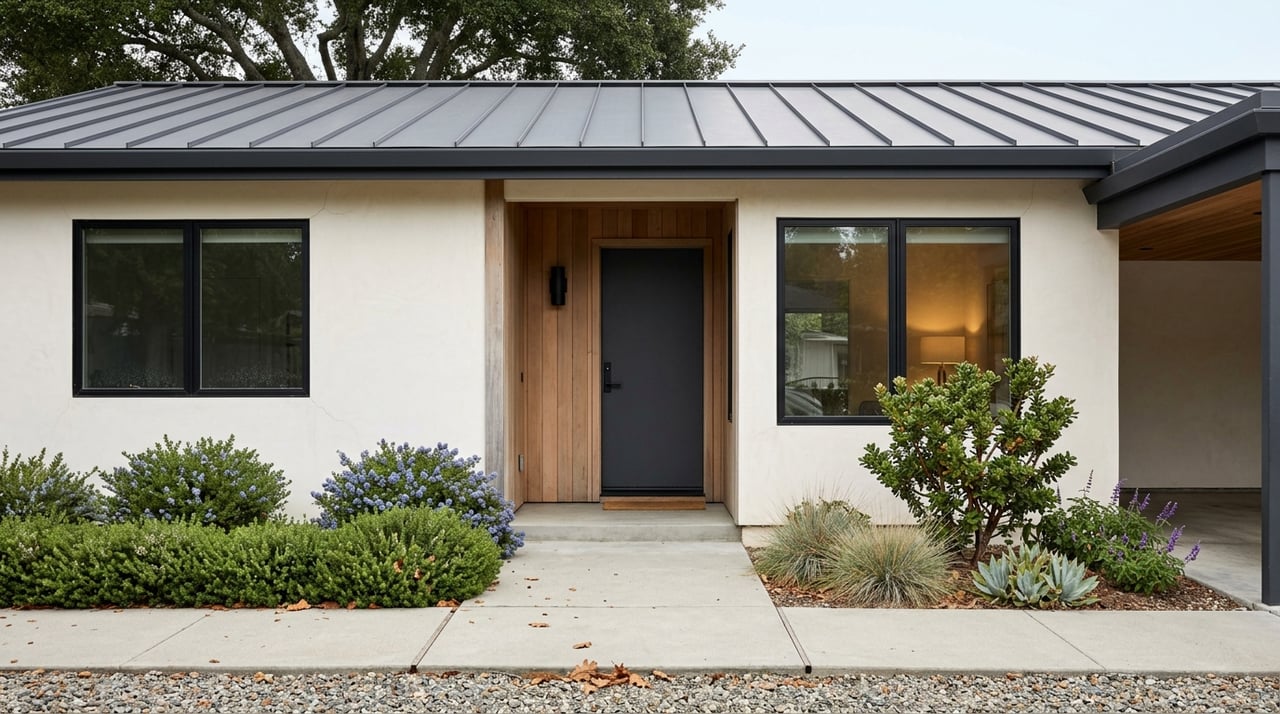
One of the Westside’s strengths is that it does not fit a single housing mold. The area includes older detached homes, character-rich coastal architecture, and examples of more varied housing types in current city planning.
That range can be helpful whether you are looking for a full-time residence, a design-forward coastal property, or a home with flexible long-term use.
Older Homes Add Character
The City of Santa Cruz historic building survey includes several Westside examples that help show the neighborhood’s architectural range. These include a large Craftsman bungalow on Cleveland Street, a Craftsman cottage at 116 West Cliff Drive, a Victorian-era Queen Anne and Stick cottage at 112 West Cliff Drive, and a 1927 Spanish Eclectic residence at 1168 West Cliff Drive.
That record supports what many people notice right away. Older homes and cottages still play a meaningful role in the Westside streetscape, especially in areas where coastal character matters as much as square footage.
Ocean-View Settings Cluster Near The Bluff
If your goal is an ocean-oriented setting, West Cliff Drive and Lighthouse Field are the clearest focal points. The city explicitly lists ocean views as a feature of West Cliff, and some of the area’s most distinctive historic homes sit directly along that corridor.
These locations tend to attract buyers who want immediate access to the coast and a setting with strong visual identity. For sellers, this is often where presentation and lifestyle storytelling can have an especially strong impact.
Housing Types Are Broader Than Many Expect
City project pages show that the Westside can support more than classic detached homes. Current planning examples include a four-story mixed-use proposal at 190 West Cliff with 89 residential condominium units over commercial space and underground parking, along with a 76-unit senior housing project at 126 Eucalyptus Avenue.
These are planning examples, not a finished inventory list. Still, they show that the Westside is not limited to one product type. Depending on the block, you may find a more coastal residential feel, a mixed-use setting, or inland streets where traditional single-family housing is more common.
ADU Potential Can Add Flexibility
Accessory dwelling units are allowed on many residential and mixed-use lots in Santa Cruz, including some townhome and detached residential condominium or apartment settings. For Westside buyers, that can create useful flexibility for guests, multigenerational living, or other long-term use needs.
Not every property will have the same potential, but this is an important point to evaluate when comparing options. A home’s value is not only about what it is today. It can also be about how it may support your future use.
Three Westside Living Patterns
When you step back, Westside Santa Cruz often breaks into three overlapping living patterns. This is a useful way to think about fit if you are comparing streets, homes, and price points.
Bluff-Top West Cliff And Lighthouse Field
This setting is defined by direct coastal access, open views, and a strong connection to the ocean. Buyers who prioritize scenery, walking routes, and a signature Santa Cruz backdrop often focus here.
Swift Street And The Far Westside
This area offers a more mixed-use lifestyle. You are closer to a compact cluster of coffee, breweries, cider, and tasting rooms, with a neighborhood feel that is social and convenient.
Inland Residential Blocks
Farther inland, the feel often shifts toward older single-family homes and a more residential rhythm. In these areas, home character and ADU potential may matter more than immediate bluff access.
What Buyers Should Keep In Mind
The Westside can be a strong fit if you want a walkable coastal routine and enjoy the blend of outdoor access and local commercial energy. It is especially appealing if you value the ability to move between parks, scenic paths, and neighborhood gathering spots without needing to drive far.
At the same time, each micro-setting comes with tradeoffs. Bluff-adjacent areas may bring different considerations than inland blocks, and mixed-use pockets may feel very different from quieter residential streets. The right fit depends on how you want your home to function in daily life.
What Sellers Can Highlight
If you are selling on the Westside, the strongest story often goes beyond the home itself. Buyers are responding to the combination of surf access, parks, the Saturday farmers market, the Swift Street hub, and the neighborhood’s older coastal character.
This is where thoughtful presentation matters. A well-marketed Westside property can show not only layout and finishes, but also the lifestyle patterns that make the location memorable and useful.
Coastal Resilience Matters Here
Coastal exposure is part of the Westside story, especially near the bluff. The City of Santa Cruz is implementing a West Cliff Drive Adaptation and Management Plan and a coastal change monitoring program to address storms, erosion, and climate stressors.
For buyers and sellers, this means ocean proximity should be viewed through both a lifestyle lens and a resilience lens. It is wise to understand how a specific property relates to its setting, especially in bluff-adjacent and ocean-view locations.
If you are weighing a move on the Westside, the goal is not just to find a home that looks good on paper. It is to find the version of the neighborhood that fits your routine, priorities, and long-term plans. If you want expert guidance on buying or selling a Westside property with a more design-forward, neighborhood-specific approach, connect with Ben Rush.
FAQs
What is the Westside area of Santa Cruz known for?
- The Westside is known for West Cliff Drive, coastal views, surf culture, parks like Natural Bridges and Lighthouse Field, the Saturday Westside Farmers Market, and the food-and-drink hub around Swift Street.
What kinds of homes can you find on the Westside of Santa Cruz?
- Westside home options include older detached homes, cottages, character-rich coastal architecture, ocean-view properties near West Cliff, and a broader mix of housing types reflected in current city planning examples.
What is daily life like on the Westside in Santa Cruz?
- Daily life on the Westside often centers on walkable coastal routines, outdoor access, local market visits, and easy access to coffee, breweries, cider, and tasting rooms in the Far Westside.
Are there dog-friendly outdoor areas on the Westside of Santa Cruz?
- Yes. West Cliff requires dogs to be leashed, Lighthouse Field allows leashed dogs on the beach, and Natural Bridges does not allow dogs on the beach or trails.
What should buyers consider about West Cliff properties in Santa Cruz?
- Buyers should consider both lifestyle appeal and coastal resilience, since the City of Santa Cruz is addressing storms, erosion, and climate stressors through its West Cliff Drive Adaptation and Management Plan and coastal monitoring efforts.