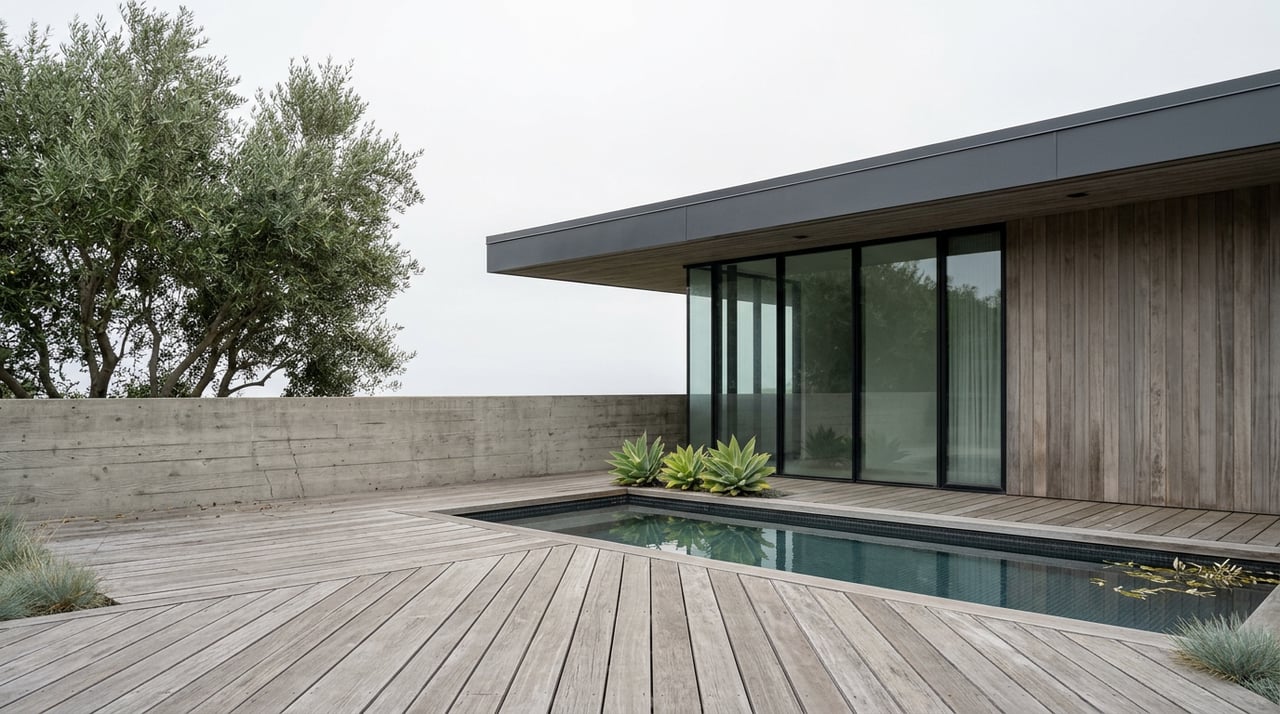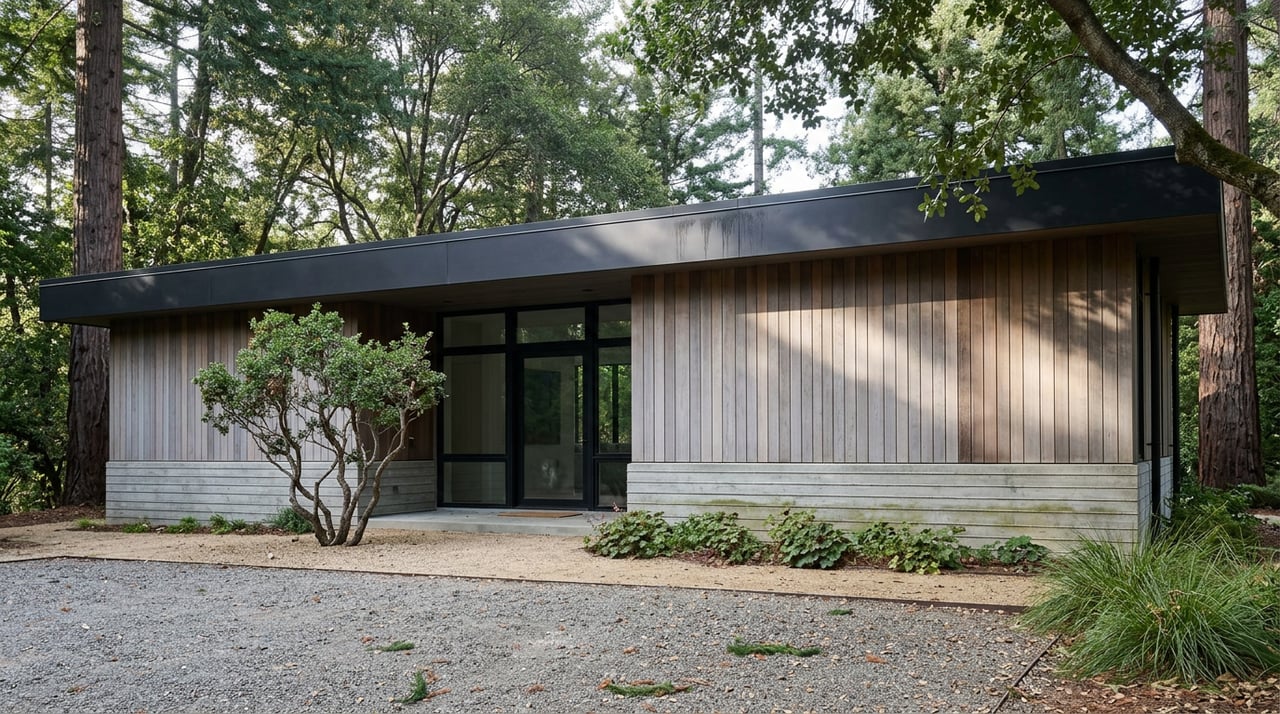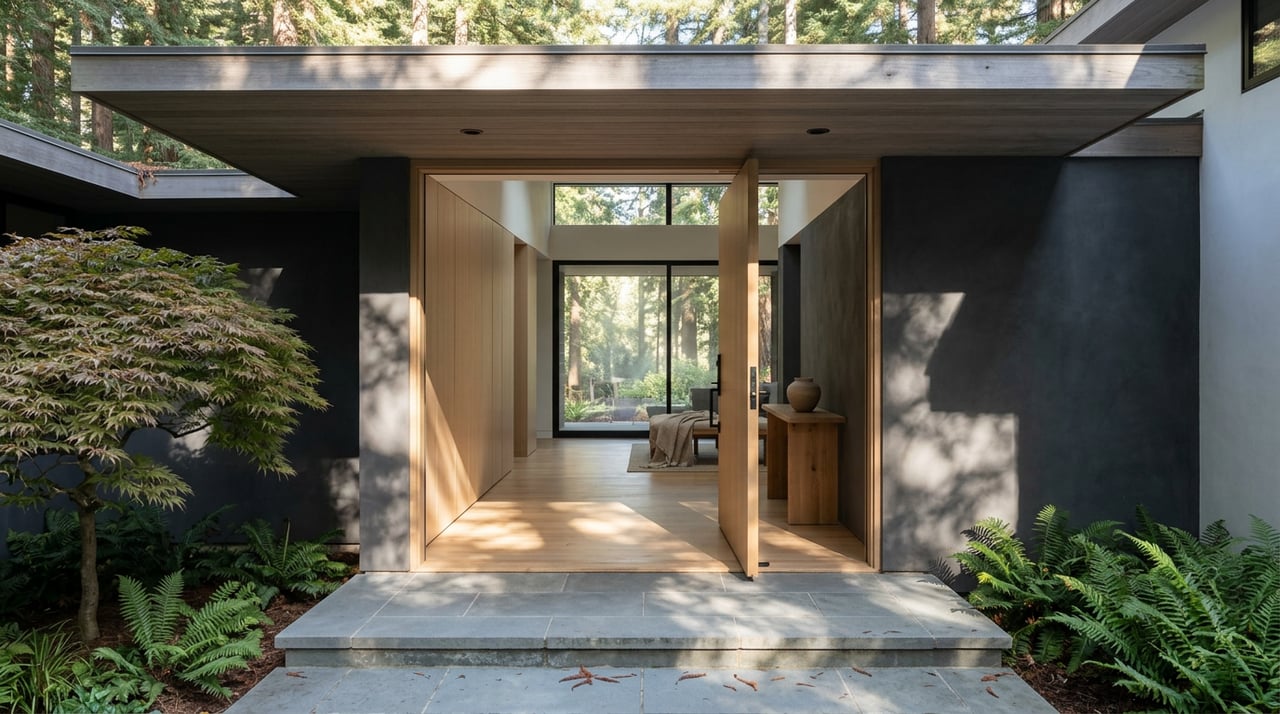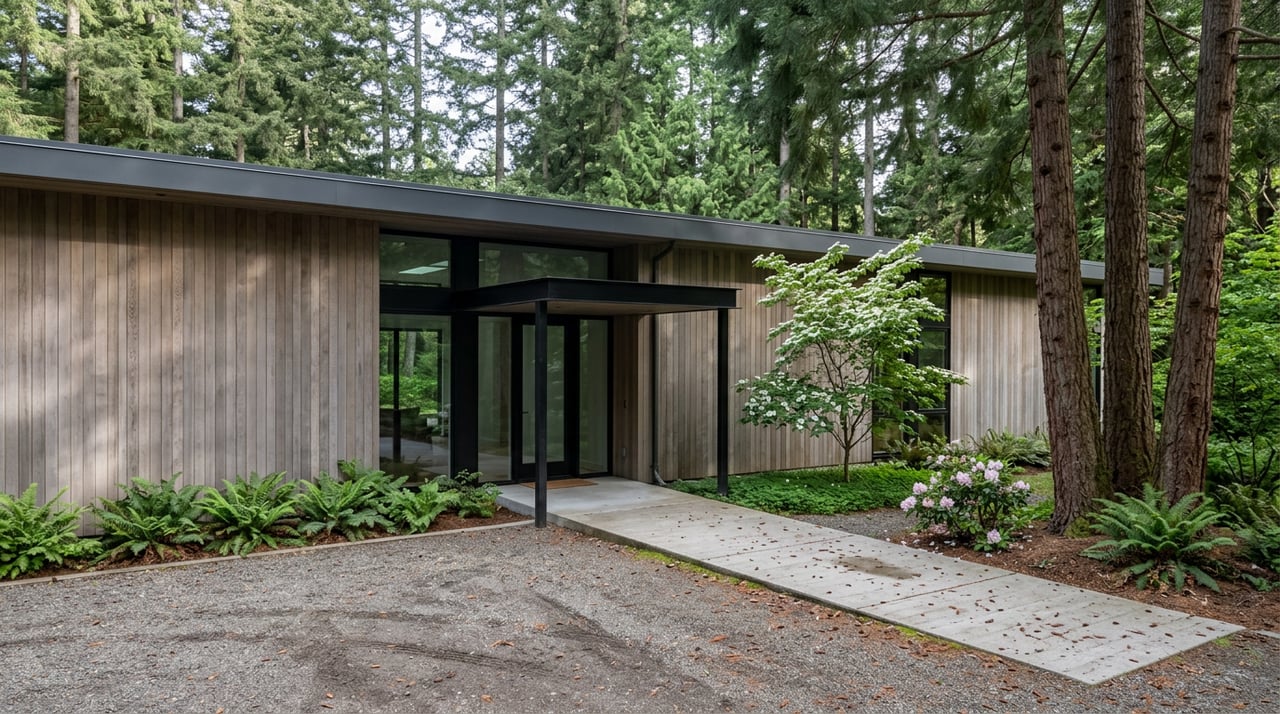
A 1920s bungalow on 35th Avenue in Pleasure Point was marketed with a pitch that stopped me mid-scroll. The listing advertised gross rental income up to $85,000 a year, rented only 160 nights, sold as is, with the vacation rental permit in place. It read like the deal was finished before an offer even landed.
It isn't. Not automatically, and not in this stretch of coast.
Santa Cruz County's short-term rental permits are issued to a specific owner for a specific property, and they do not travel with the deed. Buy the house, and you are not buying the permit. You are buying a property that used to have one, in a zone where getting a new one may not be possible for years, if at all. For anyone evaluating a Pleasure Point purchase with rental income in the math, that distinction changes the entire calculation.
The Permit Is Not a Fixture
County code is direct about this. Hosted rental permits, the version where the owner lives on site and rents out one or two bedrooms rather than the whole house, are issued to a property owner for a specific property and are not transferable between owners or between properties. The county's vacation rental ordinance, which governs whole-house rentals, blocks the same thing: no transfer of an existing permit to a new owner is granted. Neither version rides along with a sale the way a permitted deck or a finished garage conversion does.
That means a new owner who wants to keep operating a property as a short-term rental has to file a fresh application under their own name, and that application gets evaluated against whatever cap and waitlist rules are in effect on the day they file, not the day the previous owner got approved. If the zone is at capacity, and Pleasure Point's is, the seller's active listing history does not buy the buyer a place in line.
Why This Stretch of Coast Plays by Its Own Rules
Pleasure Point sits inside what the county calls the Live Oak Designated Area, or LODA, one of three coastal zones where rental permits are capped separately from the rest of unincorporated Santa Cruz County. The boundary runs from the Harbor Area Special Community through the section of Live Oak east and south of East Cliff Drive and Portola Drive, starting at the intersection of 9th Avenue and East Cliff Drive and ending at the intersection of Portola Drive and 41st Avenue, the same commercial stretch where Pleasure Point's surf shops and coffee counters cluster.
Two other zones work the same way. The Seacliff/Aptos/La Selva Designated Area, or SALSDA, covers the Aptos coastline. The Davenport/Swanton Designated Area, or DASDA, covers the North Coast. Everywhere else in the unincorporated county runs under different, less restrictive rules. A buyer comparing a Pleasure Point listing to one a few miles inland in Live Oak is comparing two different regulatory environments, not just two different price points.
What the Cap Actually Looks Like
As counted in late 2025, heading into the county's most recent overhaul, LODA's permit pool broke down like this:
| Designated Area | Vacation Rental Cap | Hosted Rental Cap | Total Permits | Waitlist |
|---|---|---|---|---|
| LODA (Live Oak / Pleasure Point) | 262 | 18 | 280 | Open, 9 households waiting |
| SALSDA (Seacliff / Aptos / La Selva) | 241 | 45 | 286 | Open, 77 households waiting |
| DASDA (Davenport / Swanton) | 3 | 4 | 7 | None |
Those numbers are not new. As far back as 2020, county supervisors were already flagging Live Oak and Pleasure Point as saturated, with roughly 271 vacation rental permits in the area at the time, close to one in ten homes in the zone. The direction since then has been tightening, not loosening.
The Cap Is Closing, Not Opening
On August 19, 2025, the Santa Cruz County Board of Supervisors approved a rewrite of the entire short-term rental framework, repealing the old Vacation Rental and Hosted Rental ordinances and replacing them with a single Short-Term Rental Ordinance. The new rules cap non-hosted rentals countywide at 270 permits outside the three designated zones, cap hosted rentals at 250, and limit any one owner or entity to a single short-term rental permit, closing off the path some investors had used to accumulate several properties. Properties with an accessory dwelling unit remain ineligible for a short-term rental permit on either the main house or the ADU. Hosting platforms like Airbnb and VRBO now have ten days to pull a listing once the county flags it as unpermitted.
Inside LODA, SALSDA, and DASDA specifically, the new ordinance keeps the existing zone caps in place and adds a phased reduction if the current permit count ever falls below the ceiling, rather than allowing new permits to fill the gap. In practice, that means the LODA waitlist of nine households is unlikely to move meaningfully in either direction. Permits that lapse are as likely to be retired from the pool as reissued to the next name on the list.
The California Coastal Commission certified the new ordinance on April 16, 2026, which put it into effect across the entire county, including the Coastal Zone that covers Pleasure Point. The rules governing a rental permit application filed today are stricter, and the waitlist longer, than they were for the owner who currently holds the permit on any given listing.
"We should err on the side of the residents rather than erring on the side of the business within the residential neighborhood."
That was the framing then-First District Supervisor John Leopold used years earlier, back when the county was first debating caps for Live Oak and Pleasure Point, and it is the same framing that shaped the 2025 rewrite. District 3 Supervisor Justin Cummings echoed it in blunter terms as the new ordinance headed toward final adoption, describing what had started as a way for homeowners to earn a little extra money as having turned into what he called the commercialization of residential property. Two supervisors, five years apart, arriving at the same conclusion: the county is not trying to make more permits available. It is trying to hold the line on the ones that already exist.
What This Means If You're Buying With Rental Income in Mind
None of this means a Pleasure Point property with an existing rental permit is a bad purchase. It means the permit needs to be treated as a separate, non-guaranteed asset that requires its own due diligence, distinct from the house itself. Before writing an offer that leans on advertised rental income, a buyer's agent should be confirming:
- Whether the current permit is a vacation rental permit or a hosted rental permit, since the two operate under different caps and different rules, and one does not convert into the other
- Whether the permit is active and current with the county's Unified Permit Center, not simply referenced in the listing description
- Whether the property has an ADU, which would make it ineligible for a new short-term rental permit even if the main house previously held one
- Whether the buyer already holds a short-term rental permit anywhere else in the county, since the new one-permit-per-owner rule applies regardless of where the other property sits
- Whether joining the LODA waitlist is realistic given current wait times, rather than assumed as a formality
A seller can advertise rental history all day. What a buyer actually inherits at closing is a property, not a permit, and the two are not the same purchase.
A Few Questions That Come Up Often
If the current owner has a hosted rental permit, can I apply to convert it to a full vacation rental permit instead? No. County code is explicit that a hosted rental permit does not confer the ability to obtain a vacation rental permit in a zone where the vacation rental cap is already full, which describes LODA today.
If I'm on the county's waitlist and I sell the property before a permit opens up, does my spot transfer to the buyer? No. A waitlist request becomes void the moment ownership transfers, regardless of how long the seller had been waiting.
Does an ADU disqualify the whole property, or just the ADU itself, from short-term rental use? Both. Under current county rules, a property with an ADU is not eligible for a short-term rental permit on either the primary residence or the accessory unit.
Pleasure Point's coastline is not getting any less desirable, and that scarcity is exactly why the permit question matters more here than almost anywhere else in the county. A house on East Cliff Drive or a block off 41st Avenue will always have buyers. What separates a well-advised purchase from a costly surprise is knowing, before the ink dries, whether the income a seller is advertising actually belongs to the address or simply belonged to the person leaving it.
If you're looking at a Pleasure Point property and want a clear-eyed read on what its rental history actually means for your offer, Santa Cruz Luxury can walk through the permit status, the zone caps, and the realistic path forward before you're locked into a number that may not hold. Schedule a Private Consultation and let's look at the property, not just the listing.